

4 April 2026
The designer's role is changing. Most design teams aren't ready.
The shift from Figma-only to code adjacent working is already happening. The teams that will thrive are the ones building the infrastructure for it now.
Main point: AI has made working code cheap, so the wall between design and engineering is becoming permeable. Teams that build a safe place for designers to work in code now will pull ahead.
This isn't about replacing designers. It's about designers iterating through coded prototypes and validating hard decisions before work reaches slow, expensive production engineering.
Why the wall existed
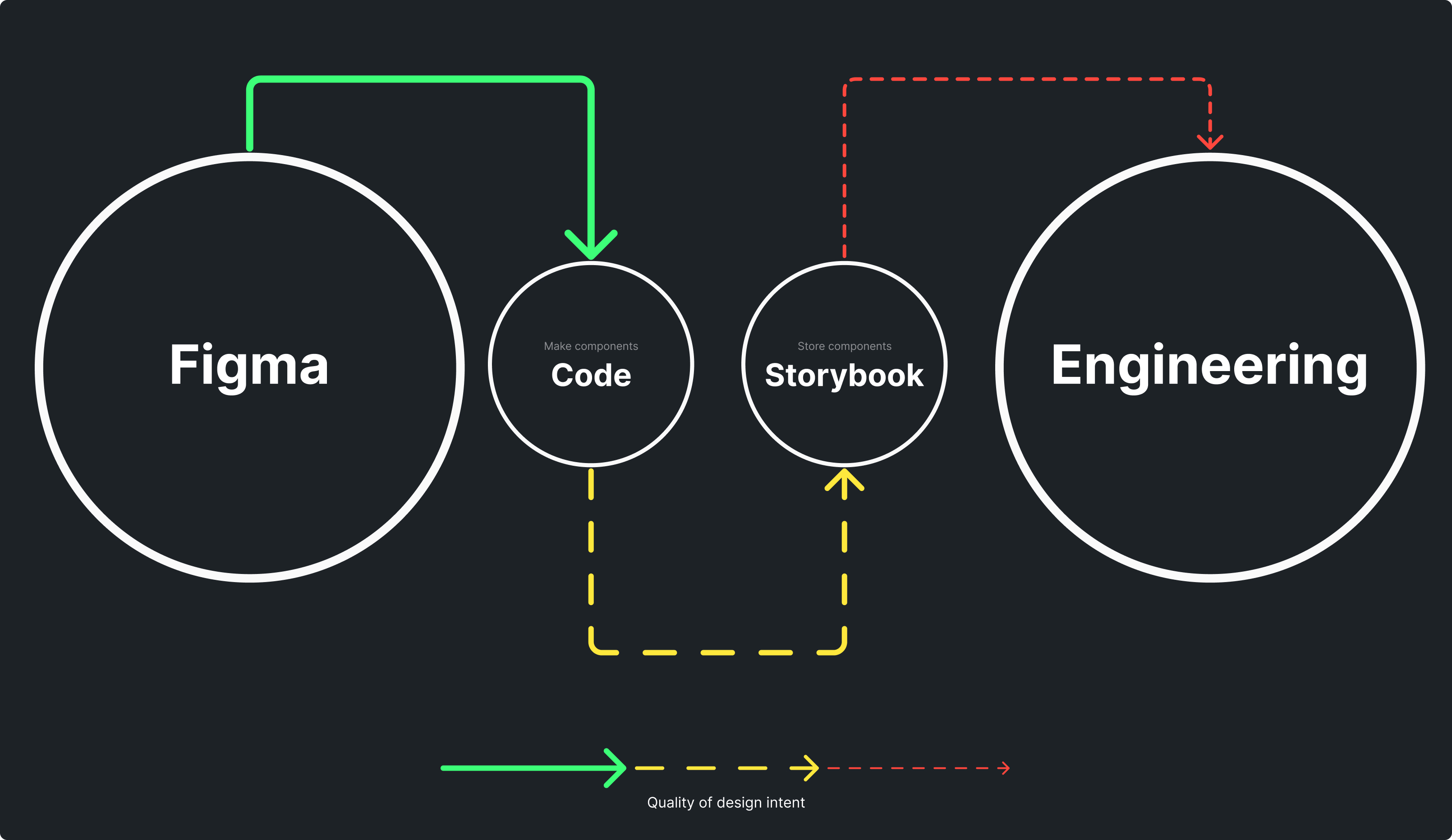
Production code was expensive and risky, so Figma (and Sketch and Photoshop before it) gave designers a fast, safe place to work. The price was the handoff: every decision had to be reinterpreted by an engineer, and something always got lost.
What's changing
Cheaper code alone isn't enough. Handing a designer an editor and saying "just ask the AI" is a cop out. What works is cheap code plus a safe environment built for designers, with the components, conventions and guardrails already in place.
What "code-adjacent" means
Designers being right about the hard things before engineering starts. Not colours and spacing, but questions like: does this hold up with 400 items instead of 4? With edge-case permissions? With real latency?
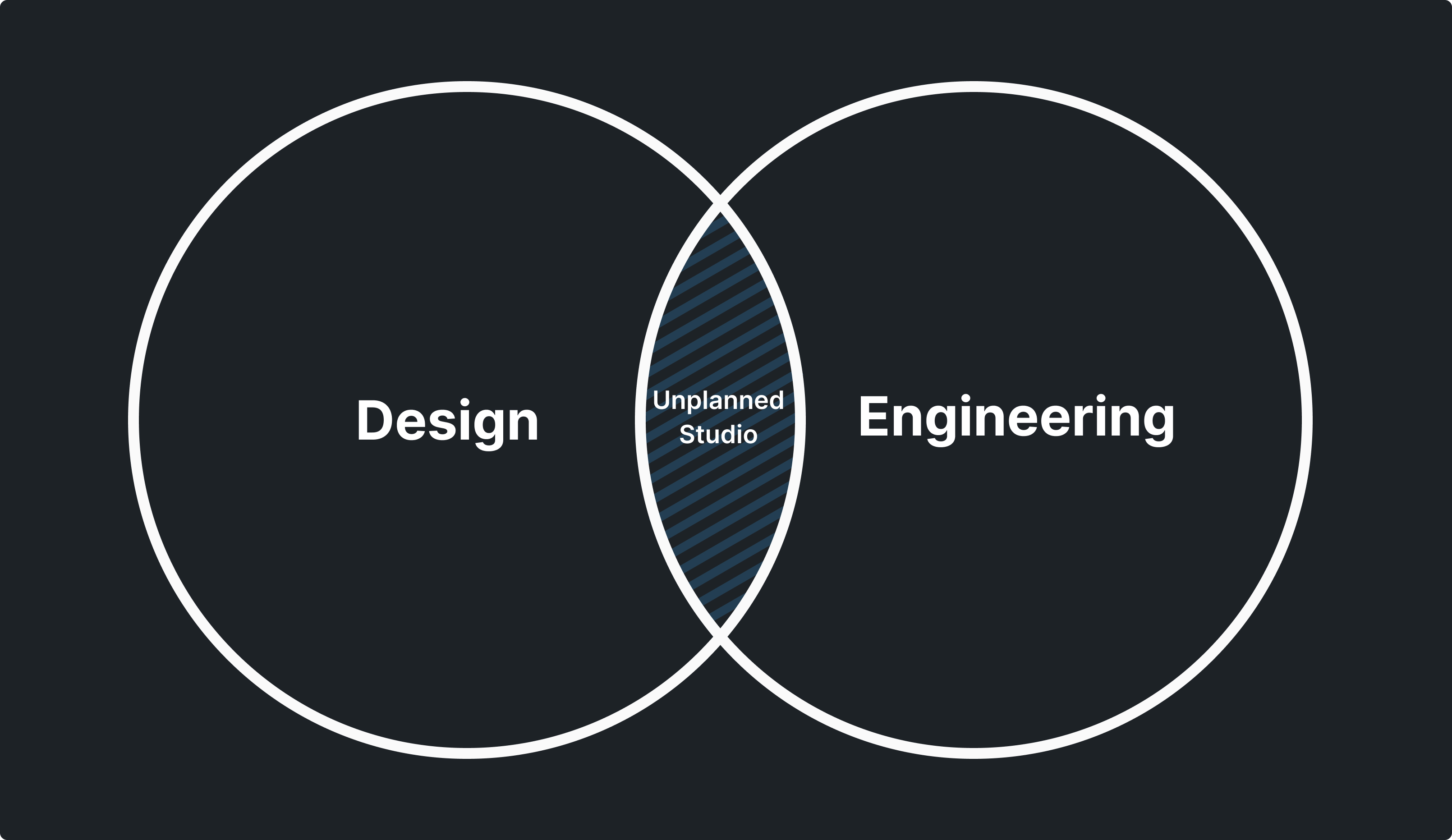
The sandboxed designer environment sits between Figma and production code. It's the option most teams don't have, and the one that unlocks the most value.
What to invest in now
- A component library Code Connected to Figma
- A sandboxed environment for designer experiments
- A pipeline that promotes good prototype work, like component proposals
- AI skills that encode your conventions
The honest bit
Most teams won't act until it hurts, because the handoff feels normal. That will change quickly when competitors validate in code and react in hours, not weeks. The tools to take the wall down exist. The question is whether you build before you have to.